
“Think you I bear the shears of destiny? Have I commandment on the pulse of life?”
– William Shakespeare, King John (1623)
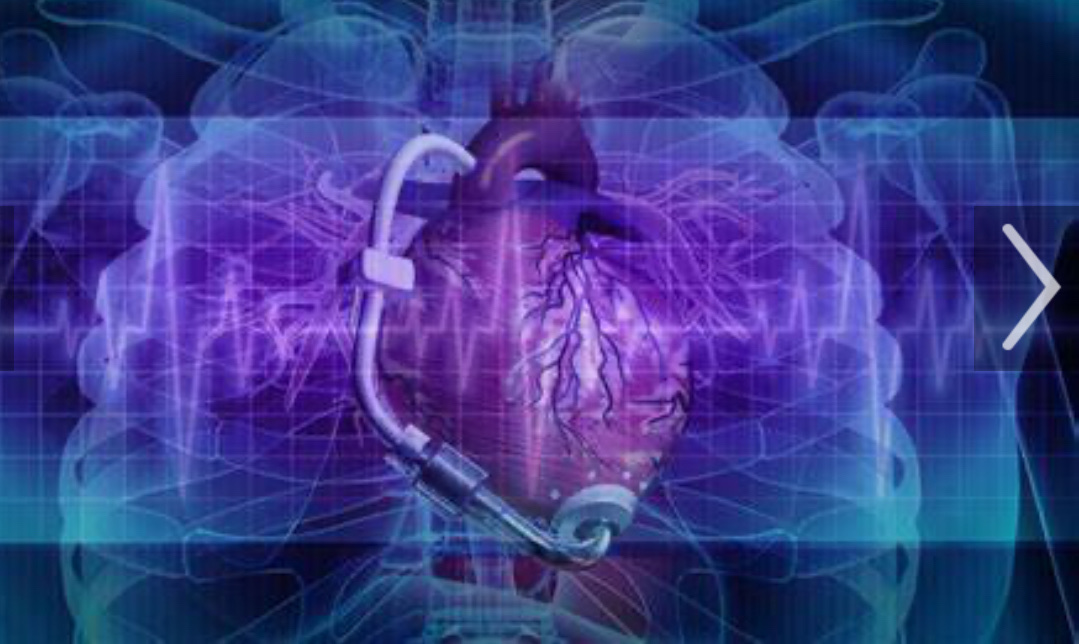
This poem describes someone with a left ventricular assist device/VAD, which is a surgically implanted heart pump used for patience with Advanced heart failure. The pump sucks and blood from the heart and sensor to the rest of the body continuously, and therefore most of these patients do not have a pulse. However, they feel much better and can function like a normal human being as long as they are connected to external sources of power.
I stand before you, alive and well
That I have no pulse, you could never tell
Unless you placed your finger to feel
Where my pulse should be, let me reveal
The secret behind this radiant complexion of mine
This pulselessness has my life redefined..
*
I had heart failure that was taking every moment of every day
Quite literally, my struggling breath away
My heart beat irregularly, over me loomed the threat
Of impending doom, my body was flirting with death
I had a pulse then, but it did not amount to much
After endless healthcare visits, I received the healing touch
Of a left ventricular assist device, and paradoxically
It took away my pulse as it gave my life back to me..
*
The machine lets the blood course efficiently
Through every part of my body, continuously
My heart does not beat the way yours would do
But I have undergone revival as a person new
My hopes and desires, once dashed to the ground
Are resurfacing as I reflect on my life with gratitude profound
*
A new lease on life, reimagined, with a VAD
Being alive and kicking, without a pulse, ain’t bad!
 Passion...unbridled
This might be a silly question but do these patients wear a bracelet or something because wouldn’t most people check for a pulse first? The bracelet would give them that information.
LikeLike
They wear vests and carry batteries on their person, and have a driveline coming out of their bellies, generally hard to miss. They are also supposed to carry a bag with the number of their care team at all times, some do wear bracelets
LikeLiked by 1 person